
Understanding Platform Elevators
Across Australia, accessibility has become a key consideration in both public and private building design. Platform elevators play a significant role in this shift. Unlike conventional elevators, these systems are designed to transport people over short vertical distances, often where ramps are impractical or space is limited. They are commonly used to assist individuals with mobility challenges, including wheelchair users, older Australians, and people with temporary injuries.
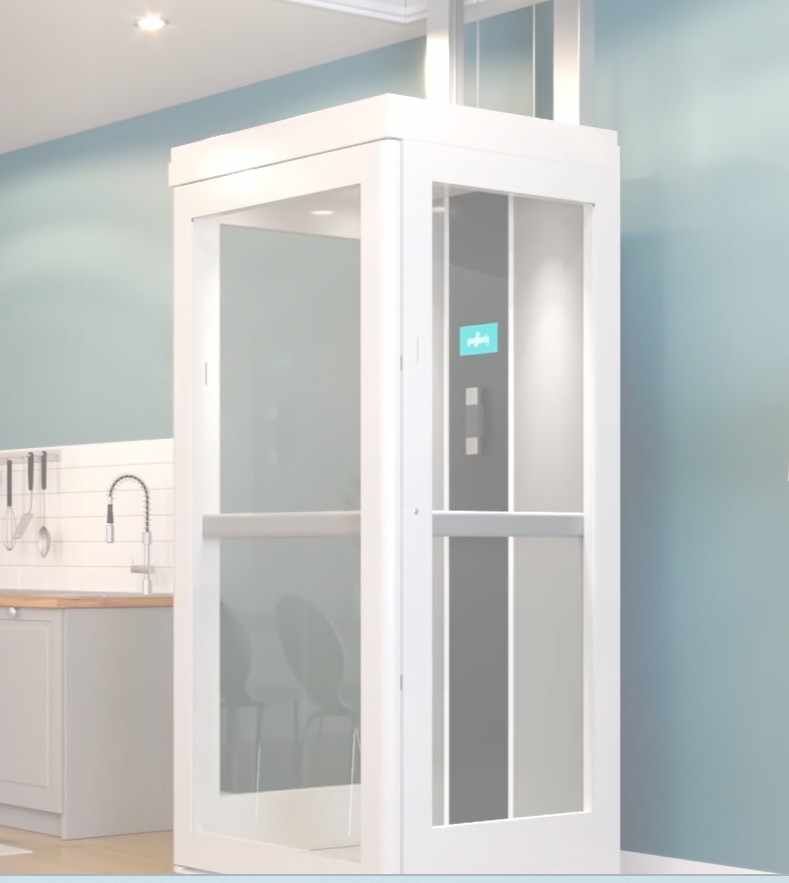
Platform elevators are now found in a wide range of settings, from heritage buildings and schools to retail stores and residential homes. Their purpose is not to replace standard elevators but to complement them in locations where flexibility and adaptability are required.
How Platform Elevators Differ from Traditional Elevators
While traditional elevators are built for high-rise movement and heavy passenger flow, platform elevators focus on practicality and inclusion. They typically operate at lower speeds and travel shorter distances. This makes them suitable for installations where structural changes must be minimal, such as existing buildings or properties with architectural restrictions.
In Australia, compliance with accessibility standards has driven the careful integration of these systems. Designers and building managers often choose platform elevators when they need a solution that balances safety, space efficiency, and ease of use without major construction work.
Common Applications Across Australia
Platform elevators are used in many everyday environments. In educational facilities, they allow students and staff to move independently between levels. In healthcare settings, they support safe movement without disrupting sensitive layouts. Retail and hospitality venues use them to ensure all customers can access services comfortably.
Residential use has also increased, particularly in multi-level homes where occupants plan to age in place. In such cases, platform elevators provide an alternative to relocating or undertaking extensive renovations.
Safety and Compliance Considerations
Safety is a central factor in the design and use of elevators, including platform-based systems. Australian standards require features such as emergency controls, non-slip surfaces, and secure barriers. Regular inspections and maintenance help ensure reliability and long-term performance.
Building owners often work with engineers and access consultants to determine whether a platform elevator or another type of lift is most suitable. This process typically considers load capacity, travel height, and user needs, ensuring the final choice aligns with regulations and practical requirements.
User Experience and Everyday Impact
For many users, the value of platform elevators lies in independence. Being able to move freely within a building can significantly affect daily routines and confidence. Unlike stairs, these systems reduce physical strain and minimise the risk of falls.
A facilities manager from Victoria shared their experience:
“After installing a platform elevator in our community centre, we noticed a clear increase in participation. People who previously avoided events due to access issues now attend regularly.”
Similarly, a homeowner in New South Wales noted:
“The platform elevator has made our home more adaptable. It’s reassuring to know the house will remain accessible as our needs change.”
These perspectives highlight how accessibility solutions can influence social inclusion and quality of life.
Platform Elevators and the Broader Elevator Landscape
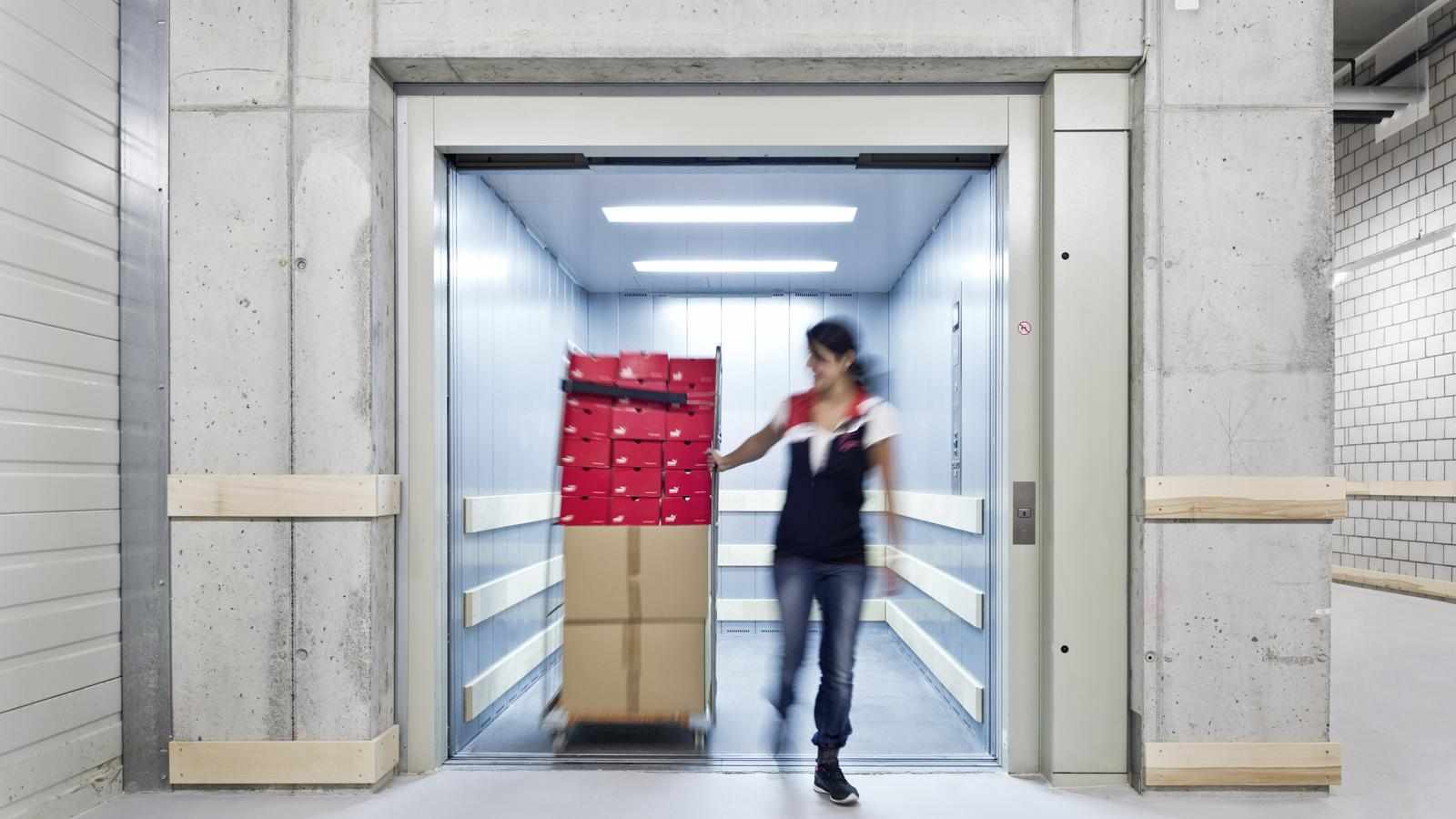
Within the wider category of elevators, platform systems represent a specialised but essential segment. While high-capacity elevators serve commercial towers and transport hubs, platform elevators address specific access challenges at ground and intermediate levels.
Urban development across Australia increasingly blends new construction with older structures. In such contexts, flexibility matters. Platform elevators offer a way to modernise access without compromising architectural integrity.
Environmental and Design Considerations
Modern building projects often consider sustainability alongside accessibility. Platform elevators typically consume less energy than larger lift systems due to their size and operating requirements. Thoughtful placement and design can also reduce the need for extensive structural modifications, contributing to more efficient resource use.
Architects and planners now view accessibility as an integral part of good design rather than an afterthought. Integrating platform elevators early in the planning process helps ensure seamless movement throughout a space.
Looking Ahead
As Australia’s population ages and expectations around inclusive design continue to evolve, demand for practical access solutions is likely to grow. Platform elevators will remain relevant wherever short vertical travel and adaptable installation are needed.
Rather than being defined by technical specifications alone, these systems are increasingly recognised for their social impact. By enabling equitable access, platform elevators support participation, safety, and dignity within shared environments.
In the broader discussion of elevators and building accessibility, platform elevators stand out as a reminder that thoughtful design can make everyday spaces more usable for everyone.


Write a comment ...