
Commercial lifts, also known as freight or goods lifts, are essential for ensuring efficient vertical transportation in businesses, offices, hospitals, and multi-story buildings. These lifts provide a safe and convenient way to move goods and people between floors, improving overall operational efficiency and accessibility. In this article, we'll explore the key features of commercial lifts and how they compare to mobility lifts, offering insights into their benefits, safety features, and applications.
Key Features and Benefits of Commercial Lifts.
Heavy Duty Performance:
Commercial lifts are designed to handle a wide range of load capacities, from small packages to heavy machinery, ensuring that businesses can transport goods efficiently. These lifts are built for durability and can accommodate larger loads than traditional elevators.Enhanced Safety Features:
Commercial lifts come equipped with advanced safety mechanisms, such as emergency stop buttons, safety gates, and non-slip platforms. These features minimize the risk of accidents, especially in busy environments like warehouses and factories.Improved Accessibility:
With the ability to carry both goods and passengers, commercial lifts are designed to meet accessibility standards. They help provide equitable access in buildings, ensuring that people with disabilities can move between floors with ease.Energy-Efficient Operations:
Modern commercial lifts are designed with energy-saving features, reducing the cost of operation over time. These lifts use less power while still maintaining their performance, making them an eco-friendly option for businesses.Space-Saving Design:
Many commercial lifts are designed with compact and customizable features, allowing businesses to integrate them into existing building structures without taking up too much space. This makes them ideal for use in confined areas where space is limited.
Mobility Lifts vs. Commercial Lifts:
Functionality:
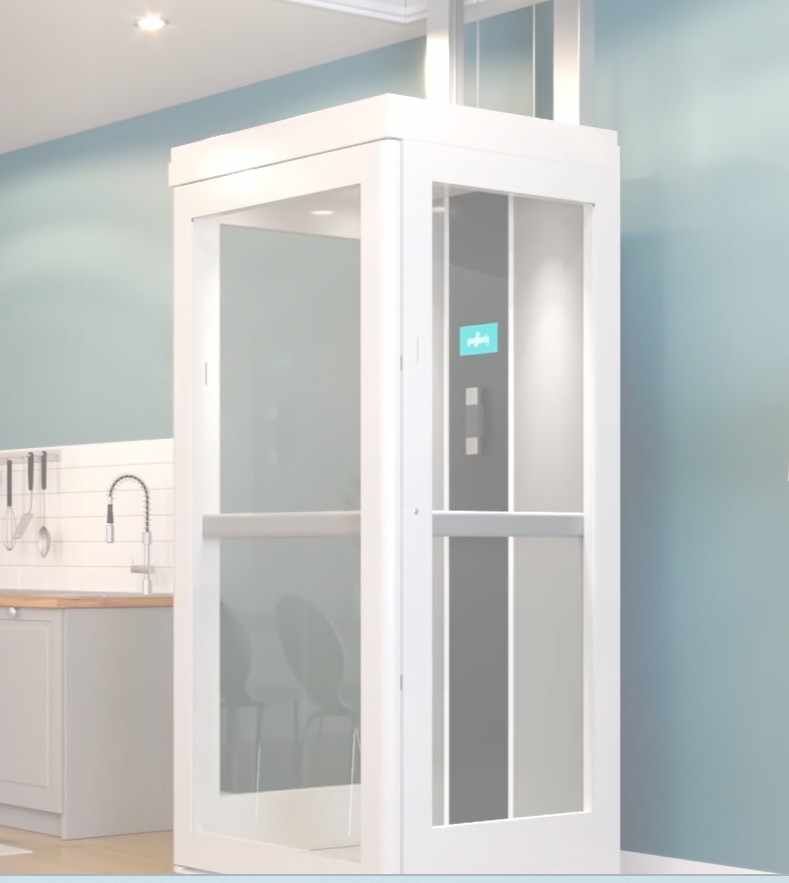
While commercial lifts are primarily used for transporting goods between floors, mobility lifts are designed specifically to transport individuals with limited mobility. They often have additional features like low platforms, adjustable ramps, and larger doors to accommodate wheelchairs or scooters.Load Capacity:
Commercial lifts typically have higher load capacities, as they are built to carry heavy goods or multiple passengers at once. On the other hand, mobility lifts are usually designed to support the weight of a person in a wheelchair, offering a more focused solution for accessibility.Applications:
Commercial lifts are often found in businesses, factories, or retail settings where they are used for transporting large volumes of goods. Mobility lifts are more commonly seen in public spaces such as hospitals, shopping centers, or residential buildings, where they ensure that people with disabilities can access different floors.
Frequently Asked Questions (FAQ):
What is the weight capacity of a commercial lift?
Commercial lifts typically have a weight capacity ranging from 500 kg to several tons, depending on the model and design. Larger commercial lifts are able to carry heavier loads, which is essential in industries like warehousing and manufacturing.Are commercial lifts safe to use in busy environments?
Yes, commercial lifts are equipped with multiple safety features such as safety gates, emergency stop buttons, and non-slip surfaces. These features make them suitable for use in busy environments, ensuring smooth and safe operations.How do commercial lifts differ from mobility lifts?
Commercial lifts are primarily designed for moving goods, while mobility lifts are designed to transport individuals with disabilities or limited mobility. Mobility lifts typically focus more on accessibility and comfort, whereas commercial lifts prioritize heavy-duty load handling.Can commercial lifts be installed in existing buildings?
Yes, many commercial lifts are designed to be installed in existing buildings. They come in various sizes and configurations to fit into the available space and meet the specific needs of the business.
Customer Testimonial:
“We installed a commercial lift in our warehouse to move heavy materials between floors, and it has been a game-changer. The lift is safe, reliable, and significantly reduces the time spent on manual labor. Our team is more productive, and the risk of injury has been minimized.” — James T., Warehouse Manager.
Conclusion:
Commercial lifts are essential for businesses looking to improve efficiency, accessibility, and safety in multi-story buildings. Whether you're transporting heavy goods in a factory, facilitating easier access for employees in a commercial office, or ensuring that your building is accessible to everyone, commercial lifts offer the ideal solution. Their heavy-duty performance, enhanced safety features, and energy-efficient design make them a valuable addition to any business operation. When comparing them to mobility lifts, the choice depends on your specific needs—whether you're looking to move goods or accommodate individuals with mobility challenges.




Write a comment ...